Bedding Guide
Wool Mattress Toppers: How Fiber, Loft, and Construction Affect Comfort
A wool mattress topper can change how a bed feels without replacing the mattress beneath it. But comfort is not a property of fiber alone: fill, thickness, quilting, fit, and care all influence whether a topper feels inviting, supportive, or simply too warm.
A practical guide to comparing wool bedding and choosing a layer that works with your sleep setup.
At night, a bed is a small landscape of layers. The mattress forms its terrain; sheets and blankets shape the climate above it. A mattress topper sits between those worlds, close enough to influence the sensation of lying down, yet distinct from a comforter whose main task is to provide warmth overhead.
Wool has long been used in bedding because its crimped fibers trap air and can take up moisture. In a topper, those characteristics may contribute to a surface that feels cushioned and breathable. Yet the phrase wool mattress topper describes a family of constructions, not one uniform experience. Wool type, fill arrangement, loft, fabric cover, and stitching can each alter the feel.
That makes comparison more useful than relying on a broad claim such as “naturally comfortable.” A good choice begins with the mattress you already own, the sensation you want to change, your room’s temperature, and the care you are prepared to provide. The details on a product label can help turn those preferences into practical questions.
First, understand what a topper can—and cannot—do
A topper adds a layer to the sleep surface. It may make a firm mattress feel more yielding, add a little cushioning, or change how warmth and moisture are managed near the body. The amount of change depends on its thickness and construction, as well as the mattress underneath it.
A topper is not a guaranteed remedy for a worn-out mattress, and it cannot correct every source of discomfort. A deep dip, damaged support structure, or unsuitable mattress size remains beneath the added layer. Before shopping, consider whether the problem is surface feel or underlying support. A topper is most likely to help when the mattress is still in sound condition and the desired adjustment is relatively modest.
It is also useful to distinguish a mattress topper from a mattress pad. The terms are not used consistently by every maker, but a pad often refers to a thinner protective or lightly cushioned layer, while a topper generally aims to make a more noticeable change in feel. Check stated thickness and materials rather than assuming the product name tells the whole story.
For a different kind of sleep surface altogether, the [Natural Wool & Latex Shikibuton](/products/natural-wool-latex-shikibuton-6430) is described as a foldable, low-profile mattress combining a latex core, wool, and organic cotton. It is a mattress construction, not a wool topper, so it is best considered separately when comparing ways to build or adapt a sleep setup.
The fiber: wool is a starting point, not a specification
Wool fibers have a naturally crimped structure. In bedding, that structure helps create small pockets of still air, which contribute to insulation. Wool can also absorb water vapor before it feels wet, a quality often associated with a less clammy sensation. These material properties help explain wool’s appeal, but they do not make every wool product identical or ensure the same experience for every sleeper.
Labels may identify wool as organic, traceable, domestically sourced, or associated with a named breed or processing standard. Such descriptions speak to sourcing and production rather than directly predicting softness, loft, or firmness. Certifications can help verify particular claims when the standard and scope are clearly stated; they are not substitutes for details about construction and use.
Ask what the fill actually is. Is it wool batting, loose wool, or a blend with another fiber? Is the wool the sole filling, or does it share the interior with another material? A blended fill may behave differently from a topper made entirely from wool. The proportion and arrangement matter, especially if the product is intended to feel resilient, plush, or relatively firm.
The cover matters too. Cotton is commonly used around wool because it is a breathable natural textile, but weave, weight, and finishing can change how the surface feels. A tightly woven shell may contain the fill more securely; a softer hand or smooth finish may make the topper feel gentler against sheets. Ask whether the cover is removable, whether it is washable, and whether laundering applies to the shell alone or the complete topper.
Wool’s reputation for temperature regulation deserves a measured reading. It can help manage moisture and provide insulation, but no bedding fiber controls room temperature or guarantees that a sleeper will feel cool. Mattress material, bedding layers, nightwear, humidity, and individual comfort all play a part. A person who sleeps warm may still prefer a thin layer—or may decide that any added insulation is unwelcome.
Loft and thickness: how much change are you seeking?
Loft describes the depth and puffiness of a filling. It is related to thickness, though the terms are not always interchangeable: a lofty product may compress substantially under body weight, while a denser construction can feel more compact. Look for a measured thickness when available, and remember that the figure alone does not reveal how the topper will compress in use.
A lower-profile wool layer may offer a subtle change to the surface and a small amount of cushioning. A thicker or more generously filled topper may create a more noticeable layer between the sleeper and mattress. More loft is not automatically better. It can change how the mattress’s support is perceived, add warmth, and affect the height of the bed.
Consider your main sleep position and the mattress’s present feel. A side sleeper who wants more cushioning at pressure points may be looking for a different surface sensation from a back sleeper who wants to preserve a firmer, flatter feel. These are personal preferences, not rules: body shape, mattress design, and individual comfort all influence what feels supportive.
If possible, compare construction details rather than buying by a vague label such as “plush” or “medium.” Ask about the quantity or weight of fill, the finished thickness, and whether the maker describes the topper as compressible, firm, or adjustable. A product that offers multiple fill weights may give a clearer route to choosing the intended level of warmth and cushioning.
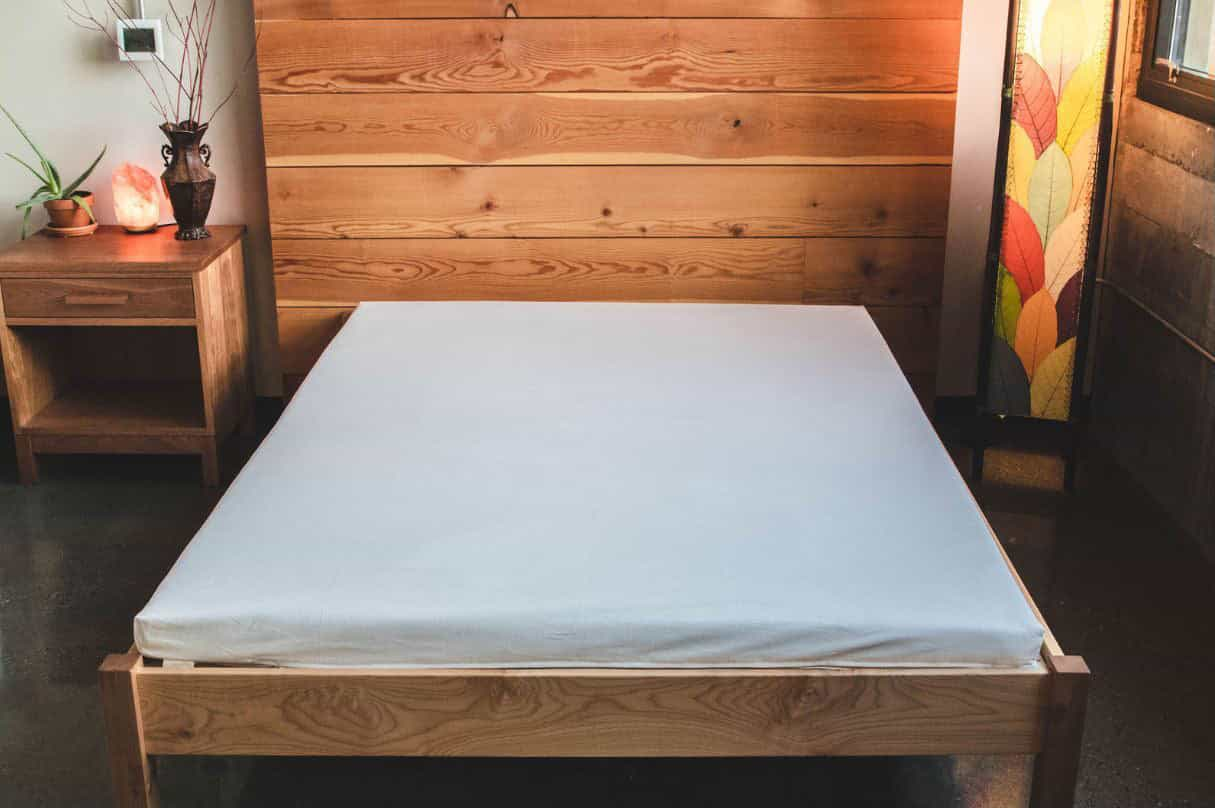
Also account for fitted-sheet depth and the height of the finished bed. A topper adds volume, and a fitted sheet must accommodate the combined mattress and topper without pulling loose. If the topper has corner straps or another attachment method, verify that the design fits your mattress dimensions and thickness. A layer that shifts during the night can be distracting even if its materials are otherwise appealing.
Construction: the hidden architecture of comfort
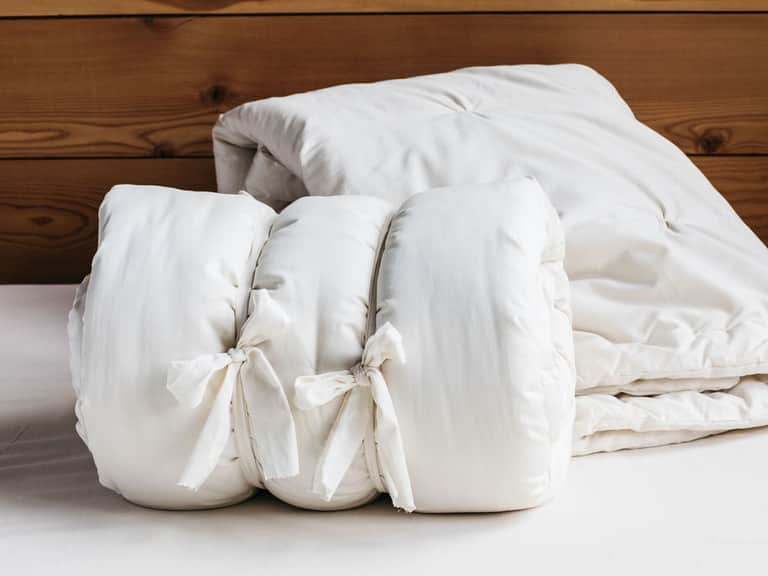
From the outside, two wool toppers can look similar. Inside, their fill may be held in place by quilting, channel stitching, tufting, or another method. The construction influences how evenly the filling is distributed and whether it is likely to bunch or migrate. Stitching patterns can also divide the surface into sections, changing how the topper flexes and how it rests on the mattress.
Quilting creates stitched compartments or patterns that help restrain batting. Tufting uses ties or points through layers to help hold them together. Neither method is automatically superior: the useful question is whether the design keeps the fill reasonably even while allowing the layer to function as intended. Ask how the topper is secured and whether its construction is designed for regular turning or repositioning.
Some mattress layers are designed to rest freely on top, while others use straps, corner ties, or an enclosing skirt. Attachment can reduce movement, but compatibility is essential. Check the product’s dimensions against the mattress, including whether it is intended for a particular mattress depth. A topper that is too small may leave exposed edges; one that is too large can wrinkle or overhang.
Edge finish and shell durability matter in everyday use. Seams, closures, and fabric weight affect how the product is handled when making the bed or airing it out. If the fill is enclosed and the shell is not removable, routine care may be limited to airing and spot cleaning. If a cover opens, confirm whether the filling can safely be removed before laundering.
When a maker describes wool as “adjustable,” find out exactly what adjusts. Some pillows allow fill to be added or removed, but that feature should not be assumed in a mattress topper. Topper adjustment might instead refer to reversible layers, detachable sections, or simply the availability of different thicknesses. Clear construction details prevent a small word on a listing from becoming an inaccurate expectation.
Care: wool bedding rewards gentle handling
Care instructions are part of the product’s design. Wool-filled bedding can be sensitive to agitation, high heat, and unsuitable detergents, and a topper may be too bulky for an ordinary home washing machine. “Natural” does not mean maintenance-free. Before purchase, check whether the complete topper is washable, whether only its cover can be washed, and what the maker recommends for spills and routine refreshing.
Some wool bedding is intended to be aired and spot-cleaned rather than machine-washed. Other products may permit limited washing under specific conditions, such as cold water and a gentle or soak-and-spin approach. Guidance varies by fill, shell, stitching, and size. Follow the instructions supplied with the particular item rather than borrowing a care method from a different wool product.
A removable, washable cover can make regular cleaning simpler, but it does not necessarily mean the wool inside can be washed. If the cover is not removable, use a properly sized mattress protector or washable layer above the topper, provided it does not undermine the comfort or fit you want. Prompt attention to a small spill is generally easier than attempting to wash a large, heavy textile later.
Air circulation can help refresh bedding between changes. If the care label permits, airing the topper in a dry, well-ventilated place may be preferable to frequent washing. Avoid direct heat or prolonged exposure to strong sunlight unless the manufacturer specifically recommends it. Storage requires similar care: keep the item clean and completely dry, and follow guidance on folding, rolling, or protecting it from pests.
Ask about repairability and expected maintenance, too. A stitched shell that is difficult to open may be more challenging to service than one with an accessible closure. The right choice depends partly on the household: a low-maintenance preference may point toward a removable cover, while someone comfortable with airing and careful spot cleaning may accept a more delicate routine.
A practical comparison checklist
Product descriptions can be dense with fiber claims and adjectives. A short checklist helps keep the comparison grounded in everyday use:
- Fill: Identify whether the topper uses wool alone or a blend, and look for the type and amount of filling where provided.
- Loft: Compare stated thickness and fill weight, then consider how much cushioning or surface change you actually want.
- Construction: Check quilting, tufting, compartments, seams, and any method used to limit fill movement.
- Cover: Note the fabric, weave, whether it is removable, and which parts of the product can be cleaned.
- Fit: Confirm mattress size, depth compatibility, dimensions, and whether straps or ties are included.
- Care: Read the full instructions, including stain response, airing, washing restrictions, and drying requirements.
- Claims: Distinguish a material property from a promise about personal comfort, temperature, or health.
- Returns and trial terms: Review the seller’s policy before purchase, especially for bedding that is difficult to evaluate without sleeping on it.
It can help to write down what you want to change before comparing products. “My mattress feels too firm at the shoulder” is more actionable than “I want a better bed.” So is “I want a breathable layer but do not want a much taller mattress.” Specific aims make it easier to judge whether the product description answers the questions that matter.
Reading sustainability and certification claims carefully
Natural fibers may appeal to people seeking alternatives to synthetic fills, but environmental impact is not captured by a single word on a label. Consider where fibers are sourced, how they are processed, where the textile is made, how durable it is, and what care it requires. A product that lasts and can be maintained appropriately may be a more useful choice than one selected for a broad claim alone.
When certifications are mentioned, look for the actual standard and the materials or stages it covers. A certification may apply to wool, cotton, processing, or a facility; it should not be assumed to certify every part of a finished product unless the documentation says so. Transparent sourcing information helps readers understand what is being claimed and what remains unspecified.
Wool is an animal-derived fiber, so sourcing and animal-welfare information may be important to some buyers. Terms such as traceable or responsibly sourced are most informative when accompanied by a clear explanation of what is tracked and which practices are included. If those details are not provided, asking the maker for clarification is reasonable.
Frequently asked questions
Does a wool mattress topper sleep cool?
Wool can absorb moisture vapor and provide insulation, but “cool” is a personal sensation shaped by many factors. A wool layer may feel breathable to one sleeper and too warm to another. Fill weight, loft, room conditions, and the rest of the bedding all matter.
Can I wash a wool topper in a washing machine?
Do not assume so. Care instructions differ, and some wool-filled toppers are intended for airing and spot cleaning only. Check the label for the exact item. Even when limited washing is permitted, high agitation, wringing, or machine drying may be prohibited.
Will a topper fix a mattress that has sagged?
A topper can change the surface feel, but it cannot restore a damaged support core or remove a deep sag. Assess the mattress itself before deciding whether an added layer is likely to meet your needs.
How thick should a wool topper be?
There is no universal ideal. A thinner layer may make a subtle change; a loftier one may provide more cushioning and add more height and insulation. Compare stated thickness with fill details and consider the effect on your sheet fit and preferred mattress feel.
What should I use to protect it?
A clean, properly fitted mattress protector or washable layer may help shield the topper, as long as it does not interfere with the feel or fit you want. Follow product guidance, especially where the maker recommends a particular cover or care routine.
A considered layer, not a shortcut
A wool mattress topper is best understood as one component in a larger sleep system. Its effect depends on the wool and any blended fibers, the quantity and loft of the fill, the way the layers are stitched together, and how securely the product fits the mattress. Care instructions, sourcing information, and the practical realities of laundering belong in the comparison from the beginning.
Start with the change you hope to feel. Then use specifications—not slogans—to decide whether a topper is likely to suit your bed. A well-matched layer can offer a useful adjustment to comfort; the right choice is the one whose construction, maintenance, and fit make sense for the way you sleep.