A Practical Guide to Choosing Wool Comforters: Materials, Care, and Comfort
In the quiet truth of a well-made bed, wool offers more than warmth. It is a living fabric of temperature regulation, moisture management, and enduring loft. This guide, written in the spirit of natural observation and careful curation, surveys the landscape of wool comforters through the lens of practical experience and reliable sourcing. We explore how wool fibers behave across seasons, what to look for in fill and shell, and how to care for these instruments of comfort so they endure night after night.
Why Wool Comforters Balance Temperature and Comfort
Wool is a natural insulator whose loftiness creates pockets of still air around the body. The fiber structure traps heat when cold and releases excess warmth when the environment warms, acting as a passive climate control system. Unlike synthetic fills, wool wicks moisture away from the skin, helping sleepers stay dry and comfortable through night sweats or seasonal shifts. The fabric shell—often a soft cotton sateen or a tightly woven cotton percale—complements the wool by providing a breathable, durable enclosure that preserves loft while resisting wear.
Beyond temperature regulation, wool’s inherent resilience contributes to a longer-lasting comforter. The fibers spring back after compression, maintaining loft even after repeated use and occasional washing. This resilience, paired with responsible sourcing and careful construction, yields a sleep companion that ages gracefully, like a well-told story that reveals more texture with time.
The practical takeaway for any shopper is simple: match weight to climate, align fill with your preferred loft, and choose a shell that enhances breathability without compromising durability.
Materials: Wool, Shell, and the Craft of Construction
A wool comforter’s performance emerges from three core choices: the wool fill, the shell fabric, and the stitching technique that holds it all in place. Each choice shapes the experience of warmth, moisture management, and care.
Wool Fill: The type of wool—merino, Nativa Regen-Shaniko, eco-wool, or other responsibly sourced fibers—determines lightness, springiness, and moisture handling. Merino and other fine wools offer refined loft and a natural softness that feels close to the body. Eco wool blends, such as domestically sourced premium eco wool, emphasize sustainable farming practices and a calmer texture against the skin.
Shell Fabric: The outer layer, commonly organic cotton sateen or cotton percale, provides the interface with the sleeper. A high thread count organic cotton shell improves durability and feel while preserving the breathability essential for wool’s performance.
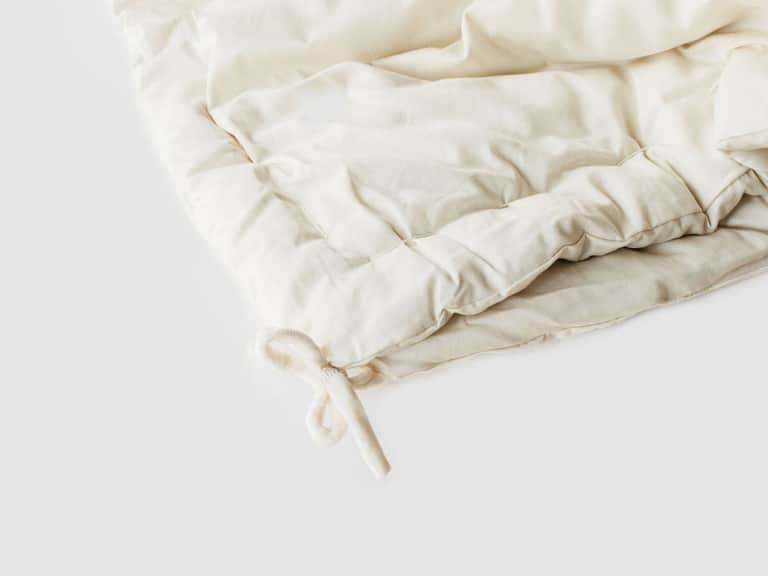
Construction and Tie-Points: How the wool is enclosed and kept in place matters. Hand-tufted or perimeter-stitched designs prevent shifting of the fill, maintaining consistent loft and warmth. Some ensembles join two comforters with cotton ties at corners, offering flexibility for seasonal dressing without bulk.
Brand Landscape: Notable Wool Comforter Options
Within the landscape of modern bedding, several brands present wool comforters with distinct approaches to materials, craftsmanship, and care. For the discerning sleeper, comparing fill power, shell fabrics, care instructions, and regional sourcing helps illuminate the path to a purchase that matches climate, sleep position, and maintenance preference.
A representative set of offerings includes all-season constructs designed for year-round adaptability, where two comforters are joined at the corners and sides with cotton ties. This design accommodates shifting ambient temperatures, offering a modular approach to warmth. The shell fabrics often feature 300-thread cotton sateen or equivalent construction, ensuring smoothness against skin and compatibility with a variety of bed frames and aesthetics.
The practical takeaway is this: seek a balance of wool density and shell breathability that suits your sleep environment. If you live in a climate with cold winters and humid summers, a two-layer system with adjustable loft can be a compelling solution.
Care and Longevity: Keeping Wool Comforters Fresh
Proper care preserves loft, regulates moisture transfer, and sustains the comfort’s integrity across seasons. Wool’s natural properties make it relatively forgiving, yet a few guidelines help maximize lifespan.
Spot cleaning and gentle air refreshes between uses support ongoing comfort while minimizing moisture exposure that can affect loft.
Many wool comforters are designed to resist microbial growth and dust mites, but regular sunning or air-drying can help maintain freshness. Avoid frequent machine washing unless specified by the manufacturer, as aggressive washing can loosen fill and strain the shell.
When machine washing is recommended, follow the manufacturer’s cycle settings for delicate or wool programs, using mild detergents formulated for wool, and ensure a thorough rinse to remove residual soap that can dry and stiffen fibers.
Drying should emphasize a flat, even distribution of fill to prevent clumping. Some designs allow tumble drying on low heat with care; others prefer air drying to preserve fiber integrity.
Choosing Your Wool Comforter: A Quick Starter Framework
For a practical starting point, consider climate, bed size, and how you prefer to feel underneath the covers. A lighter weight wool comforter suits milder climates or warmer bedrooms, while a mid-weight or all-season construct serves transitions between seasons. The thickness of the wool, its fill power, and how the shell feels against the skin all contribute to perceived warmth.
In a market where reputable options include all-season designs, two comforters joined by cotton ties, and shell fabrics that emphasize breathability, you can confidently select a product that aligns with your sleep goals. The following real-world examples illustrate how material choices translate into daily experience.
All-Season Wool Comforter — A two-layer construct joined at corners and sides with cotton ties, featuring a 300-thread organic cotton sateen shell and domestically sourced eco wool. This design aims to deliver balanced warmth and moisture wicking across temperature fluctuations. It is described as breathable, durable, and designed to adapt to varying seasonal needs.
Sleep and Beyond MyWool Comforter — A lighter-weight wool comforter focusing on temperature regulation and a snug, breathable feel. The wool fill is designed to move with the body, offering a balanced loft that remains comfortable in a range of room environments.
Suite Sleep Washable Wool Comforter — A machine-washable option that blends wool properties with practical care. The shell typically uses organic cotton sateen, and the design emphasizes easy care, annual use, and consistent loft.
Savvy Rest Organic Wool Comforter — A customizable wool solution that allows loft adjustments to tailor support and warmth. This option highlights a modular approach to comfort through adjustable fill and a cotton shell.
Case Studies: Real-World Sensibilities
While the bedding market is rich with choices, the underlying questions remain consistent: How does one balance warmth with breathability? How does care influence performance over time? And how do you ensure that wool chosen for a comforter reflects ethical sourcing and durability?
In practical terms, families and individuals often search for a comforter that remains warm but never suffocating, that feels buoyant and airy, and that can be refreshed with light care routines rather than heavy washing. The wool choice, paired with a robust shell and careful stitching, can deliver this desired equilibrium.
The goal is a sleep surface that respects the body's need for temperature regulation, supports restful sleep, and endures the rigors of daily life without demanding constant replacement.
Conclusion: A Thoughtful Path to Wool Comfort
Wool comforters stand at the intersection of natural material science and everyday comfort. The best choice hinges on a thoughtful consideration of climate, bed size, and care preferences. By understanding how wool interacts with the body, how the shell affects air flow, and how construction prevents fill migration, you can select a comforter that will be a constant companion through seasons.
In this landscape, brands that emphasize transparent sourcing, responsible farming, and durable craftsmanship offer even greater peace of mind. The ultimate measure lies in a night’s rest: a balance of warmth and breathability, a calm, undisturbed sleep, and a comfort that remains steady across the changing hours.
Armed with these insights, you can approach wool comforters not as a purchase but as an extension of a sustainable, healthy sleep environment.
Further Reading and Practical Resources
For readers seeking deeper context, consider exploring sources that discuss natural fiber performance, the nuances of wool processing, and the environmental implications of textile manufacturing. Look for product pages that clearly state fiber origin, certification details (such as GOTS or similar standards), and care guidelines tailored to wool.
Product Spotlight ( curated to align with the article )
The All-Season Wool Comforter exemplifies the dual comfort of adaptability and breathability. Its two-layer design, cotton ties, and 300-thread cotton sateen shell reflect a thoughtful integration of materials and construction aimed at maintaining loft while accommodating seasonal changes. The domestic sourcing of eco wool anchors the product in a tradition of responsible craftsmanship that values longevity and climate-aware comfort.
The attention to care—sunning and spot cleaning, with gentle machine washing on cold for limited agitation—underscores a philosophy of practical maintenance. This approach aligns with a broader aim: to create bedding that invites daily use while resisting the wear that often demands early replacement.
For readers seeking a tangible connection to the material world, the All-Season Wool Comforter serves as a benchmark of how wool, shell, and stitch work in concert to deliver year-round warmth and enduring comfort.
Stay cozy year-round with a two-in-one wool comforter that adapts to seasons—warmth where you need it, breathable comfort where you don’t. Eco wool, organic cotton, and hand-tufted stitching deliver lasting, moisture-wicking comfort and easy care.
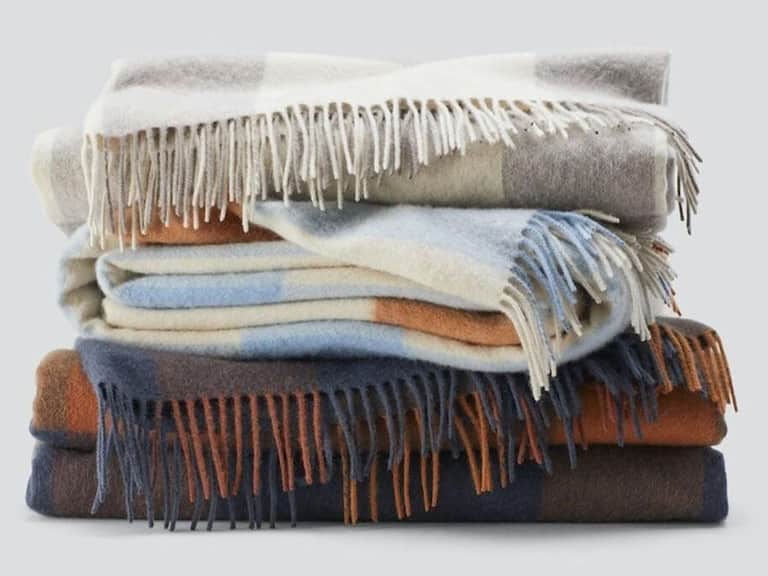
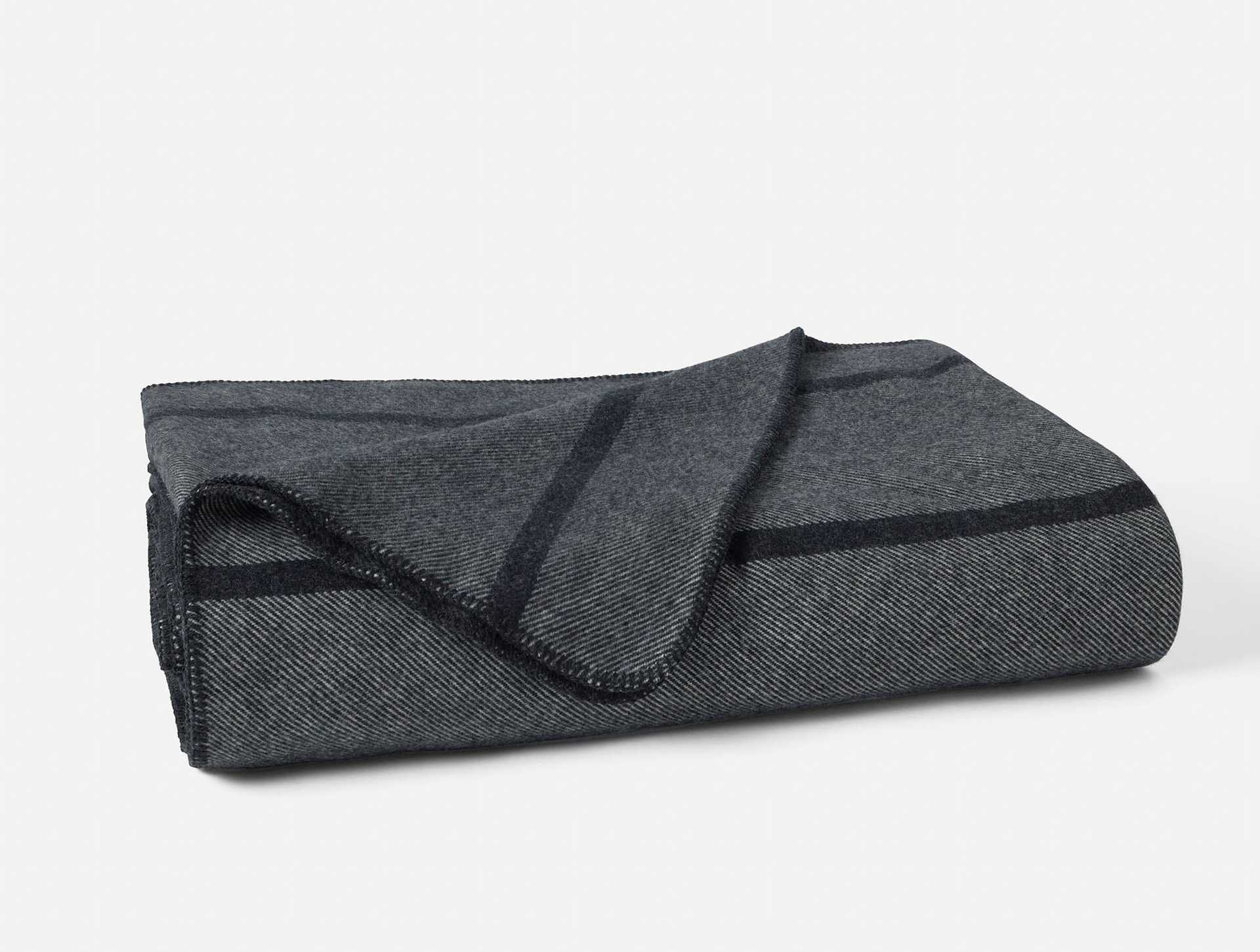
Cozy up in 100% wool with a sweater-soft feel—bold plaid texture adds warmth without heaviness. Breathable, durable, and easy to lounge with anywhere, it pairs beautifully with any decor for everyday comfort and subtle style.