Nursery | A practical guide
Baby Sleep Sacks: How Fabric, Fit, and Care Shape Everyday Use
A sleep sack can make bedtime routines simpler, but choosing one involves more than comparing colors or softness. Fabric, construction, fit, and washing instructions all affect how a sack works in daily life. Here is how to assess those details while keeping safe-sleep guidance at the center.
A wearable layer, not a substitute for safe sleep
A baby sleep sack is a garment designed to provide a layer of warmth while a baby sleeps. Unlike a loose blanket, it is worn over sleep clothing and is intended to stay in place as the baby moves. That difference can be useful in a bedtime routine, especially when caregivers want to avoid adding a loose cover to the sleep space. But a sleep sack does not, by itself, make a sleep environment safe. Its suitability depends on the child’s age and development, the product’s design and size, and how it is used.
Safe-sleep recommendations should guide every nursery decision. Follow current guidance from a qualified health professional and recognized public-health authorities. In general, babies should be placed on their backs for every sleep on a firm, flat, separate sleep surface intended for infants. Keep the sleep space clear of loose blankets, pillows, stuffed toys, and other soft objects. A wearable blanket does not change those basics, and it should never be treated as a reason to add other bedding.
Sleep sacks also differ from swaddles. A swaddle wraps or restricts a baby’s arms; a sleep sack typically leaves the arms free. Swaddling must stop as soon as a baby shows signs of attempting to roll, and families should seek guidance on safe, age-appropriate sleep clothing. Avoid products that are weighted or that restrict movement in ways not appropriate for the child. If a baby has particular health needs, ask a health professional what sleepwear is suitable.
Start with fabric, then consider the whole construction
Fabric is often the first feature caregivers notice. It meets the skin, moves with the baby, and may be washed repeatedly. A soft handfeel can matter during dressing and changing, but softness alone does not tell you whether a garment is the right choice. Consider the fiber, knit or weave, thickness, seams, and the way the fabric behaves after laundering.
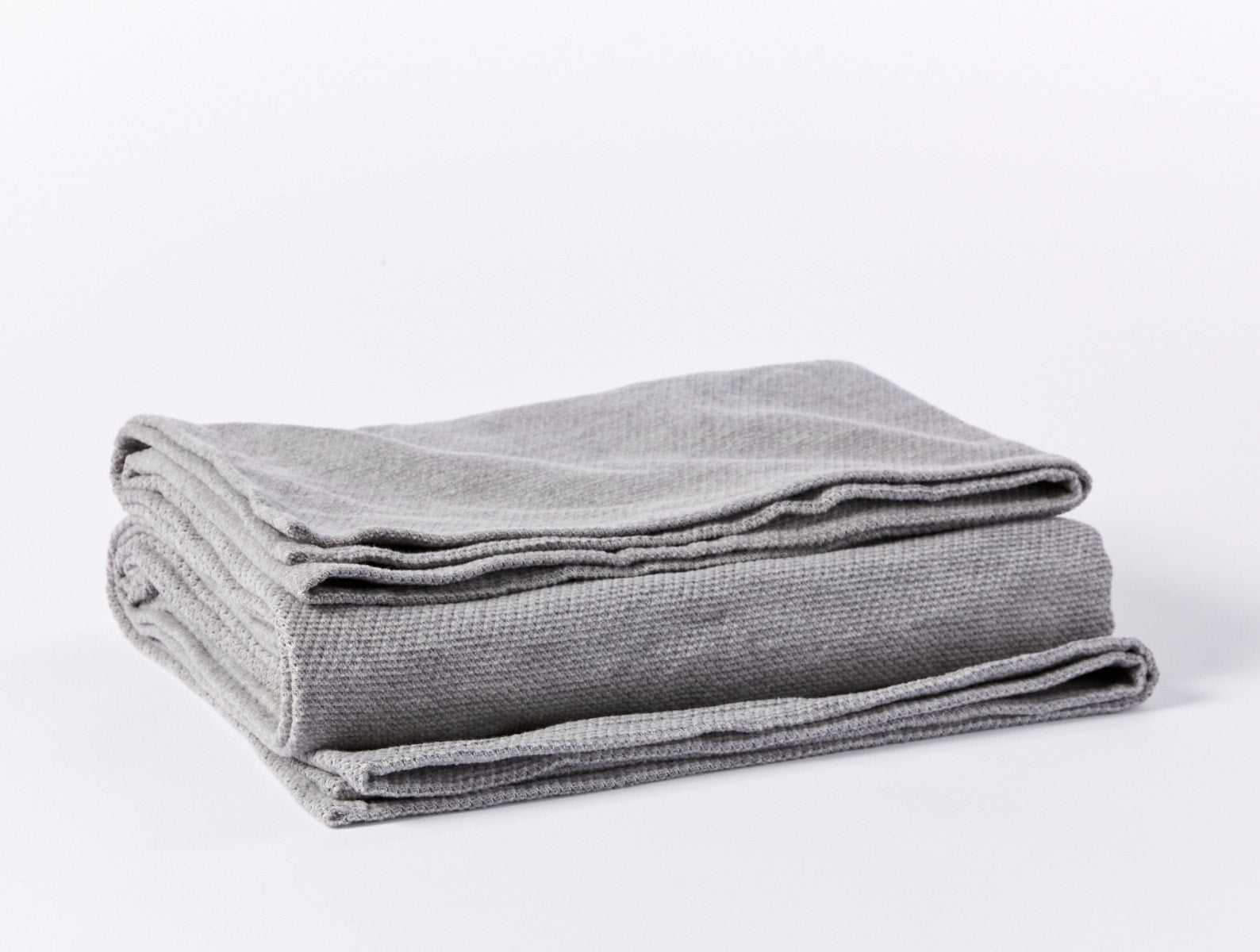
The Wren Organic Knit Snuggle Sack is made from 100% GOTS-certified organic cotton. Its rib-knit texture gives the fabric a visible structure, while the cotton fiber provides a familiar, breathable textile surface. GOTS certification addresses organic textile production standards; it is useful information about the material and its processing, but it does not certify that a product is appropriate for every baby or every sleep situation. Caregivers should still check the garment’s size, design, and use instructions.
Fabric weight and construction influence how warm a sleep sack may feel, but a product name or fiber label alone cannot establish its warmth in a particular room. Look for a manufacturer’s temperature or warmth guidance when available, and follow it alongside advice on dressing a baby for the room. A baby’s comfort can be affected by indoor temperature, sleep clothing underneath, the child’s age, and individual needs. Avoid relying on a fixed number of layers without considering those factors.
Pay attention to the inside as well as the outside. Check whether seams, labels, or closures sit where they may rub; whether the neck and arm openings appear appropriate for the intended size; and whether the garment seems sturdy after washing. A ribbed surface may feel supple, but the practical test is whether the sack remains comfortable, intact, and correctly fitted through ordinary use.
Fit is a safety and comfort question
A sleep sack should be selected according to the manufacturer’s size chart and intended age or weight range, rather than by choosing a larger size for a longer period of use. Babies grow quickly, but an oversized garment can sit differently around the neck and arm openings than the design intends. A fit that is too tight, meanwhile, may restrict comfortable movement or make dressing difficult. If the product’s sizing guidance is unclear, contact the maker or retailer before using it.
When checking fit, read the label and instructions first. Look for clear guidance on the child’s measurements, how the garment should sit, and whether it is designed for a particular developmental stage. The opening around the neck should not allow the baby to slip down inside the sack, and arm openings should not be so large that the garment rides up. The sack should allow the movement intended by its design without excess fabric bunching around the face or body.
Fit can change quickly as a baby grows. Recheck it regularly, particularly after a growth spurt or when moving to a different size. Stop using the garment if it is damaged, has a closure that no longer works correctly, or no longer fits within the maker’s guidance. Do not alter the sack in a way that changes its openings, closures, or construction. If the garment is intended for a specific age range, heed that limit rather than extending its use because the fabric still looks sound.
Caregivers should also distinguish sleepwear from a swaddle or other restraint. A sack designed for arms-free sleep should allow the baby to move the arms and should not be modified to hold them in place. When a baby’s development raises questions about rolling, swaddling, or sleep positioning, consult a qualified health professional and follow current safe-sleep recommendations.
Closures should make routine care straightforward
Small design details become important during the repeated rhythms of infant care. A front closure can make dressing easier to understand at a glance, while a lower opening may help with changes without requiring the entire garment to be removed. The Wren Organic Knit Snuggle Sack has a front placket with buttons and a bottom opening for convenient changes. Those features describe how the garment is constructed; caregivers should still check that every closure is secure and use the product as directed.
Before each use, inspect buttons, seams, and fabric for damage or loose parts. A closure should not be used if it is broken or detached. Keep the garment’s design intact, and follow the manufacturer’s instructions for fastening it. The goal is a secure, comfortable fit without loose components or altered openings. During a change, make sure the sack is returned to its intended position and that the baby is dressed appropriately for the surrounding temperature.
Routine usability matters because sleepwear is handled frequently, often in dim light and during night-time changes. A design that caregivers can operate consistently may be easier to manage than one with complicated fastenings. Still, convenience is secondary to proper fit, condition, and age-appropriate use. Familiarity with the closure is not a substitute for checking it.
Laundering: follow the label, not assumptions
Infant sleepwear can encounter spills, milk, and the ordinary mess of daily life. A clear care label helps caregivers keep the garment clean without damaging its shape or closures. The Wren Organic Knit Snuggle Sack is listed as machine washable in cold water on a gentle cycle and suitable for tumble drying on low. Check the garment’s own label before laundering, since product instructions can change and care directions apply to the specific item.
Using the recommended water temperature and cycle helps reduce unnecessary wear. Close buttons as the instructions advise, wash with like items where appropriate, and avoid adding treatments or bleach unless the manufacturer specifically permits them. High heat can affect some fibers, elastics, and fastenings, so do not assume that a cotton garment can tolerate every drying method. Remove the sack promptly when the cycle ends and check that it is fully dry before storing or using it.
After washing, inspect the garment for shrinkage, stretched openings, loose threads, damaged seams, or a closure that no longer secures properly. If the sack has changed enough that its fit is uncertain, stop using it until the maker’s guidance confirms it remains suitable. Keeping a second correctly sized sleep garment can help caregivers avoid using an item that is still damp or no longer fits.
Care also includes storage. Keep clean sleepwear in a dry place, away from heat or conditions that could damage the fabric. If the garment is passed along or stored for later use, check its condition and sizing again before putting it on a baby. A clean appearance is not enough: the fabric, seams, and closures should remain in good repair.
Think in terms of comfort, not a promise of better sleep
A sleep sack may make a bedtime routine feel more consistent, but no garment can guarantee longer sleep or prevent every interruption. Babies wake for many reasons, and clothing is only one part of their sleep environment. The useful question is whether a particular sack fits correctly, suits the conditions, can be cared for as directed, and is used in line with safe-sleep guidance.
Watch for signs that a baby may be too warm or uncomfortable, and respond by checking the room, clothing layers, and the garment’s fit. Do not add a hat indoors for sleep unless a qualified health professional has advised it for a specific reason. If you are unsure how to dress a baby for the room or whether a sleep sack is appropriate, ask a health professional who knows the child’s circumstances.
Material claims also deserve careful reading. Terms such as organic, breathable, hypoallergenic, or natural describe particular qualities or standards, but they should not be interpreted as a guarantee that a product will prevent allergies, regulate every child’s temperature, or solve sleep problems. Certification can help clarify how a textile was produced; it cannot replace careful product selection or individual medical advice.
A practical checklist before bedtime
A short review can help turn product details into a dependable routine. Before using a sleep sack, consider the following:
- Check the intended user. Confirm the manufacturer’s age, weight, and size guidance, and consider the baby’s developmental stage.
- Assess the fit. Make sure the neck and arm openings sit as intended and that the sack does not ride up or restrict movement.
- Review the construction. Check seams, buttons, and other closures for damage or loose components.
- Match clothing to conditions. Follow product guidance and professional advice about appropriate layers for the room; do not assume that a fiber label alone tells you how warm the sack will feel.
- Follow safe-sleep guidance. Use a firm, flat, separate infant sleep surface and keep it clear of loose bedding and soft objects.
- Follow the care label. Wash and dry the garment as directed, then check its condition and fit before the next use.
- Ask when uncertain. A qualified health professional can help with questions about a baby’s individual health, development, or sleep needs.
The details that matter most
Choosing a baby sleep sack is an exercise in reading details carefully. Fabric indicates what touches the skin; construction and closures shape how the garment is put on and cared for; fit determines whether it is appropriate for the baby using it. The Wren Organic Knit Snuggle Sack offers one example: GOTS-certified organic cotton, rib-knit texture, a buttoned front placket, a bottom opening, and machine-wash instructions for a cold, gentle cycle with low-heat drying.
Those features may help caregivers compare sleepwear, but the larger picture remains essential. Follow the product’s size and care directions, keep the sleep space clear and appropriate, and use current, age-specific safe-sleep guidance. When a product detail or a baby’s needs are unclear, seek advice from a qualified health professional rather than relying on a general description alone.